16 November 2026·7 min read
Car wreckers in Sydney: how to buy used car parts that fit
Used parts from a car wrecker can cost a fraction of new. Used vs new vs aftermarket, how to read a parts listing, fitment with your VIN, and what to check on engines, panels and electronics before you pay.
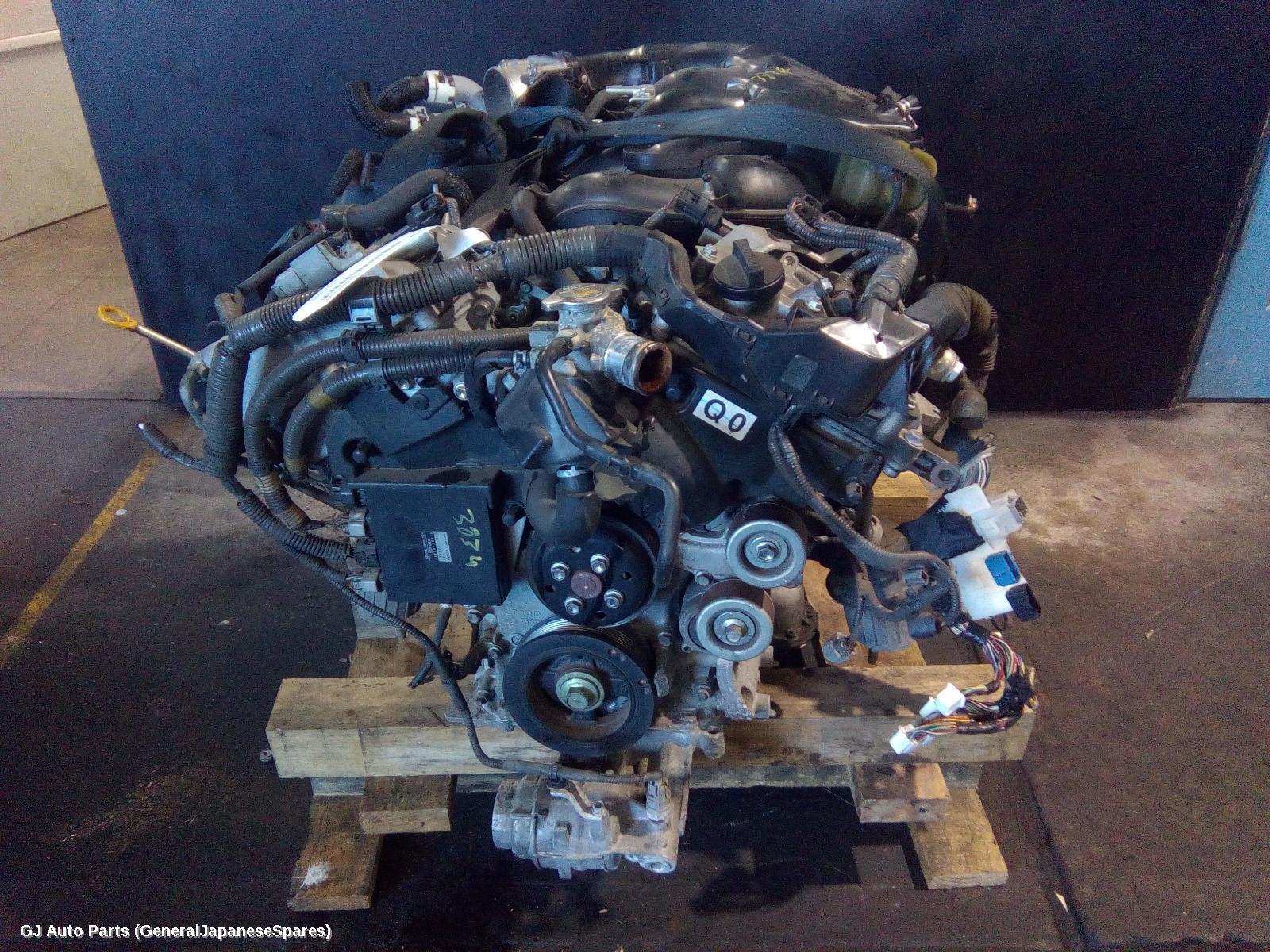
A used part from a car wrecker is usually a genuine factory part, made for your car, at a fraction of the new price. The catch is making sure you get the right one. This guide explains how buying used car parts in Sydney works, how used parts compare with new and aftermarket, how to read a parts listing, and what to check on the parts people buy most.
It is written by the team at GJ Auto Parts, a parts yard in Fairfield East with more than 38,000 used parts for 34 makes in our online catalogue, including more than 300 engines and more than 400 gearboxes, and photos on almost every listing.
The short version
Start with your VIN or rego. Match the model code, engine code and build dates in the listing. Look at the photos of the actual part. Ask about the donor car's kilometres for engines and gearboxes. Ask what warranty applies before you pay. If in doubt, send us your VIN and we will check it.
Used vs new vs aftermarket parts
There are three ways to replace a part. Each has its place.
| Used genuine (from a wrecker) | New genuine (from a dealer) | Aftermarket (new copy) | |
|---|---|---|---|
| Price | Usually the cheapest for genuine parts | The most expensive | Often cheap |
| Fit | Factory fit, made for your model | Factory fit | Varies: some fit well, some need work |
| Quality | Factory quality, with wear depending on the donor car | Factory quality, unused | Varies widely by brand |
| Availability | Good for common models, including discontinued parts | Can take days or weeks to order, some parts discontinued | Good for common parts, poor for trim and electronics |
| Colour-matched panels | Often available in factory paint | Usually unpainted | Unpainted |
| Best for | Panels, lights, trim, electronics, engines and gearboxes | Safety items you want unused, and parts still under the car's warranty | Service items such as filters, pads and wipers |
As a rule of thumb, wear and service items such as brake pads, filters and belts are best bought new. Panels, lights, trim, modules, wheels, engines and gearboxes are where a used genuine part saves the most.
Start with your VIN or rego
Two cars that look the same can take different parts, depending on the year, engine, trim and even the month they were built. Your VIN (vehicle identification number) is the key that unlocks all of that. It is on your registration papers, at the base of the windscreen and on a plate in the driver's door opening.
Send us your VIN or rego with the part you need through our contact page, or call 02 9755 7888, and we will check that the part matches before you pay.
How to read a used parts listing
Every part in our catalogue has a fitment line. It looks cryptic at first, but it tells you almost everything about where the part fits. Here is a real one from a Hyundai Tucson part in our catalogue: PETROL, 2.0, G4NC, TL, 06/15-.
| Piece | Example | What it means |
|---|---|---|
| Fuel | PETROL | The engine's fuel type: petrol, diesel or hybrid |
| Engine size | 2.0 | Engine capacity in litres |
| Engine code | G4NC | The exact engine. Two 2.0 litre engines are not always the same engine |
| Model code | TL | The generation of the car. This is what matters most for fitment |
| Build dates | 06/15- | Fits cars built from June 2015 on. A closing date, such as 06/15-01/21, marks the end of the range |
| Side | LH or RH | LH is the left-hand or passenger side, RH is the right-hand or driver side |
Below the fitment line you will find a condition note from the yard, the stock number to quote when you call, the odometer reading of the donor car where it was recorded, and photos of the actual part, not a catalogue picture.
What to check on the parts people buy most
Engines
- Match the engine code, not just the size.
- Ask for the donor car's kilometres. We show the odometer reading on the listing where it was recorded.
- Check what is included, such as the alternator, starter, wiring loom, ECU and intake. A bare engine and a complete one are very different buys.
- Plan the fitting. Replace the cheap wear items, such as seals, belts and fluids, while the engine is out.
Gearboxes
- Match manual or automatic, the number of gears and two- or four-wheel drive.
- Ask for the kilometres and whether the box came from a car that was driving before it was damaged.
Panels, bumpers and lights
- Check the side, LH or RH.
- Match the paint colour code for panels. It is on a sticker on your car, usually in the driver's door opening.
- Look closely at mounting tabs on lights and bumpers in the photos. They are the first thing to break in an accident.
ECUs, modules and electronics
- Match the part number on the module, not just the car.
- Ask whether it needs coding. Some modules, keys and immobiliser parts have to be programmed to your car by a specialist.
Warranty, returns and your rights
Ask what warranty applies to a part before you pay, and keep your receipt. Read our terms and conditions, and remember that nothing a seller says takes away your rights under the Australian Consumer Law. If a part is not what was described, tell the seller straight away.
Pickup or delivery
You can collect from our yard at 30 Fairfield St, Fairfield East, or have parts delivered Australia-wide. Add the part to your cart and the delivery price for your suburb is shown at checkout, before you pay.
Cannot find the part online?
We list only a share of what is on the shelves, and new cars arrive all the time. You can see some of them in our gallery of cars we are wrecking, such as a 2016 Nissan Navara and a 2017 Hyundai Tucson. If you cannot find what you need, call us on 02 9755 7888 or send us a message with your VIN or rego and the part, and we will check stock for you.
Driving a Lexus? Read our guide to used Lexus parts and what fits. Selling a damaged car? Here is how cash for cars works in Sydney.
Buying used car parts: frequently asked questions
Are used car parts reliable?
A used genuine part from a good donor car is built to the same standard as a new genuine part, with some wear. Check the condition note and photos, ask about the donor car's kilometres for engines and gearboxes, and ask what warranty applies.
How do I know a used part will fit my car?
Match the model code, engine code and build dates in the listing to your car. The surest way is to send us your VIN or rego through the contact page, and we will check it before you buy.
What does LH and RH mean on a parts listing?
LH is the left-hand side of the car, which is the passenger side in Australia. RH is the right-hand side, the driver's side.
Can I buy used parts online?
Yes. Add parts to your cart in our catalogue and pay online, then pick up from Fairfield East or have them delivered Australia-wide.
Do you deliver used parts across Australia?
Yes. The delivery price for your suburb is shown at checkout before you pay. You can also collect from our yard at 30 Fairfield St, Fairfield East.
Where is GJ Auto Parts?
At 30 Fairfield St, Fairfield East NSW 2165, in Sydney's south-west. Call us on 02 9755 7888 or contact us online.
Keep reading
Lexus wreckers in Sydney: used Lexus parts and what fits your car
Lexus is the make we stock most. The Lexus models and model codes we wreck, the parts worth buying used, hybrid and Toyota interchange tips, and how to make sure a part fits before you order.
Cash for cars in Sydney: how to sell a damaged or unwanted car
Selling a damaged, unregistered or unwanted car in Sydney? How a wrecker prices it, how cash for cars compares with scrap, private sale and trade-in, the NSW paperwork, and how to get a fair cash offer.